Documents Safety While Travelling Solo
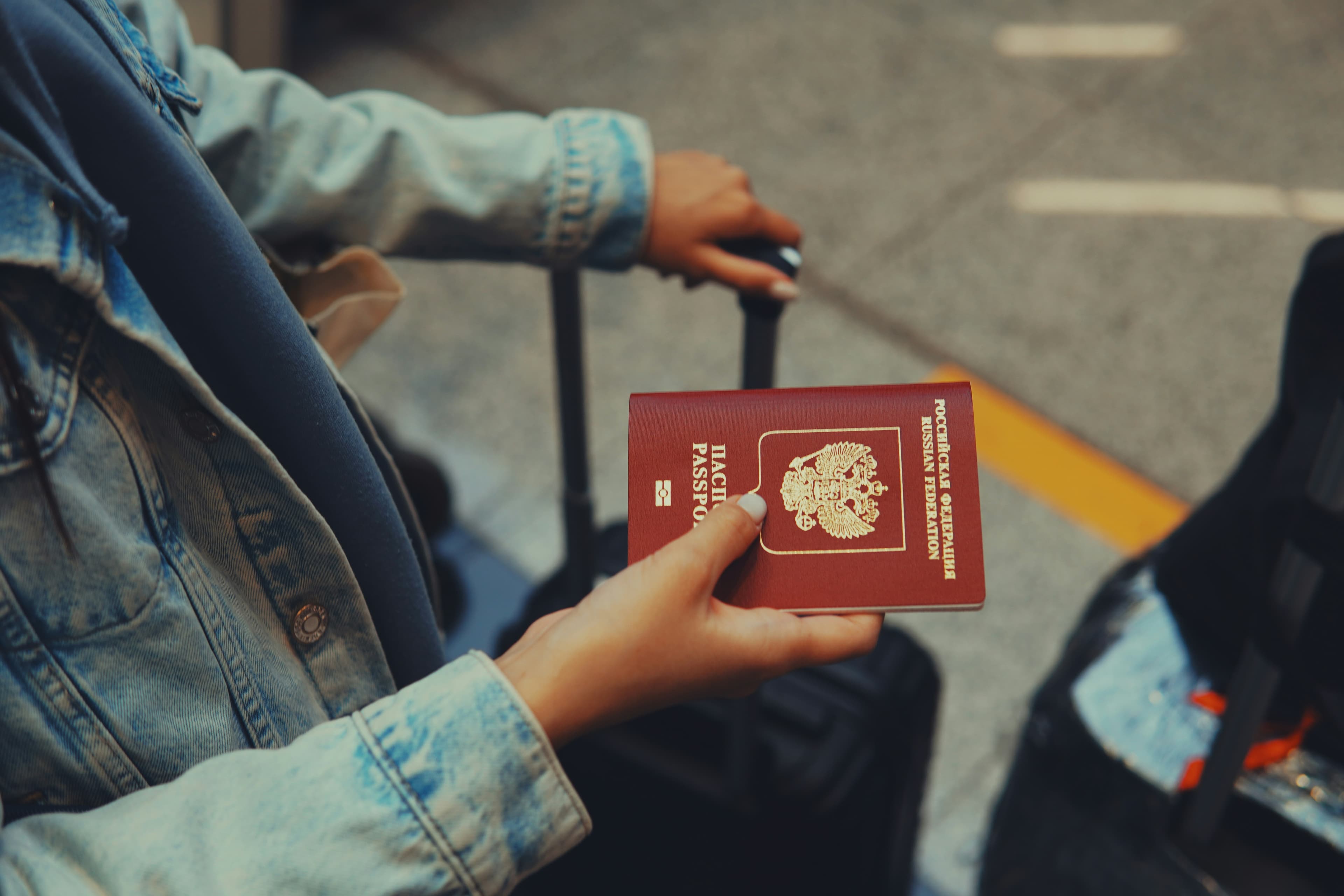
The Document Safety Kit Every Solo Traveler Needs
You've planned the itinerary. You've picked the perfect hostel. You've packed the one dress you'll wear in every photo. But there's one thing most solo travelers don't think about until it's too late — what happens if you lose your passport, your ID, or your bag in a city where you know absolutely no one?
Every solo female traveler has heard some version of this story: a friend of a friend lost her passport in a foreign city and spent three days stuck at an embassy instead of exploring. The good news? This almost never has to happen. A little preparation turns a potential nightmare into a 10-minute inconvenience.
Here's the complete document and belongings safety kit every woman traveling alone should have before she boards that flight.
Before You Leave: The Prep Work That Saves You Later
The single biggest mistake travelers make is assuming they'll "deal with it if something happens." By then, it's too late. Do this before you even pack your bag:
- Scan or photograph every important document — both sides of your passport, visa, government ID, travel insurance policy, vaccination certificates, and hotel/flight bookings.
- Email the scans to yourself. It sounds old-fashioned, but it means you can access them from any device, anywhere, as long as you have internet.
- Save copies in a password-protected cloud folder (Google Drive, WhatsApp's "Message Yourself" feature, or a secure notes app) so you're not relying on one single method.
- Leave one physical photocopy with someone you trust at home — a parent, sibling, or close friend — along with your rough itinerary and emergency contacts.
This one habit alone eliminates most of the panic that comes with losing a document abroad.
How to Actually Carry Your Documents
Where and how you carry your originals matters just as much as backing them up.
- Never carry all your documents in one place. If your bag is lost or stolen, you lose everything at once. Split originals and copies across different bags or pockets.
- Wear a slim, RFID-blocking pouch under your clothing — not a visible fanny pack or an obvious "travel wallet" that signals "valuables here" to anyone watching.
- Carry a decoy wallet with a small amount of local cash and an old expired card. In touristy, pickpocket-prone areas, this is what you hand over or lose — not your real documents.
- Keep your passport at your accommodation once you've settled in, unless the country requires you to carry it. A photocopy or digital scan is usually enough for day-to-day movement.
Digital Backups That Actually Work Offline
Cloud storage is great — until you're in a location with no signal and no Wi-Fi. Build in a backup that doesn't depend on connectivity:
- Save your document scans in an app that works offline, not just cloud-only storage.
- Screenshot your embassy's contact number and address, your travel insurance helpline, and local emergency numbers directly into your phone's notes or gallery. Screenshots work with zero signal; a saved link does not.
- Keep a small printed card in your bag with the same information, in case your phone is what's lost or stolen.
If Something Actually Goes Wrong
Even with all the prep in the world, things can go sideways. If your documents are lost or stolen, here's the order of operations:
- File a police report immediately at the nearest local station. You'll need this for your embassy and insurance claim.
- Contact your embassy or consulate. They can issue emergency travel documents to get you home even without your original passport.
- File your travel insurance claim with the police report as supporting documentation.
- Reach out to your emergency contacts so someone back home knows what's happening and can help coordinate if needed.
Bonus: It's Not Just About Documents
Your belongings deserve the same level of care:
- Choose cross-body bags with zippers that face your body, not the street.
- Never leave your bag unattended, even at a hostel or cafe that feels friendly and familiar.
- Use a small luggage lock on shared dorm lockers, even for a quick shower or coffee run.
- Keep a mental note of where your valuables are at all times, especially in crowded transit hubs.
The Bottom Line
Traveling solo doesn't mean traveling unprepared. A few minutes of planning before your trip — scanning documents, splitting your valuables, saving offline backups — can be the difference between a minor hiccup and a ruined trip. Solo travel is about freedom, and real freedom comes from knowing you're ready for whatever comes your way.
Stay safe, stay prepared, and go see the world.
Admin Sisterroam
Pune